)
)
)
Scotland’s late-night World Cup fixtures could be a major opportunity for hospitality operators
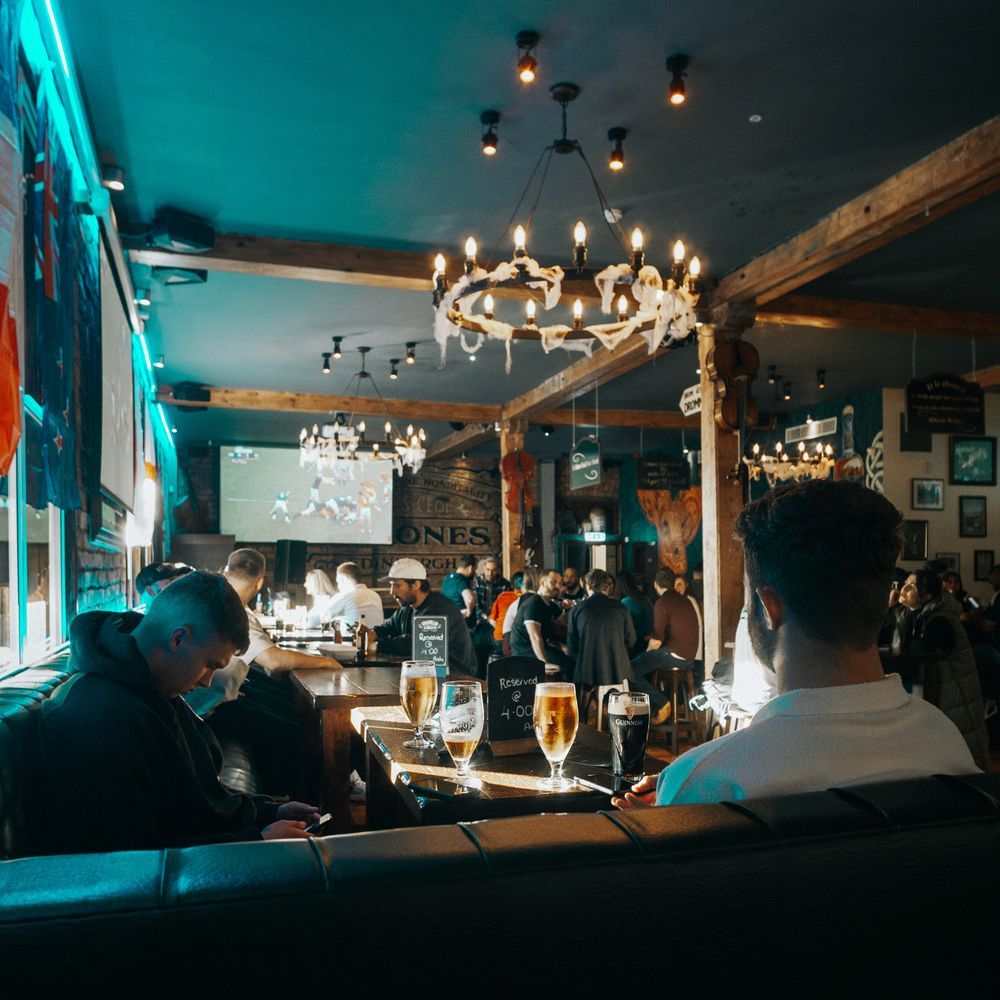
When Scotland face Haiti at 2am this summer, the country’s pubs, bars and late-night venues will face a decision: stay closed and miss the moment, or rethink what a World Cup night out can look like.
On paper, the fixture schedule is awkward for hospitality businesses. Scotland’s group stage matches against Haiti, Morocco and Brazil all fall outside normal peak trading hours, with kick-offs at either 11pm or 2am UK time. Yet across Scotland, operators and licensing boards are increasingly treating the tournament as a commercial opportunity rather than a logistical inconvenience.
Councils in Glasgow, Edinburgh, Aberdeen, East Dunbartonshire and more have all approved extended licensing hours for venues screening World Cup matches. The reasoning is straightforward. Scotland’s first appearance at the tournament since 1998 is expected to drive demand well beyond traditional football crowds, particularly for communal live experiences.
For operators, the challenge is less about whether customers will turn up and more about how to make those customers stay longer, spend more and return after the tournament ends.
Steven Watson, Senior Marketing Manager at Malones Pub Group (pictured above), says the business is already planning around demand levels and customer flow.
“We're intending to show as many games as possible - we're monitoring demand for matches via booking numbers,” he says. “For games that extend into the early hours, we're limiting our last table bookings to earlier in the night to keep things easier for service and organisation.”
That kind of operational planning is likely to become increasingly important during the tournament. Overnight fixtures create very different trading conditions from a standard afternoon or early evening match. Venues need to think about staffing, security, transport home for employees and whether kitchens can realistically continue serving food deep into the night.
At the same time, those longer trading windows create opportunities many operators do not normally have access to.
“Hospitality businesses need to think about how they can maximise revenue opportunities while you have customers in the venue,” Watson says. “How can you entice customers in earlier, increase your service times, and also ensure you have a good food offering that extends into the later games?”
That point matters because the World Cup is unlikely to behave like a normal football tournament from a hospitality perspective. A 2am kick-off changes customer behaviour. Guests are less likely to arrive moments before the game and leave immediately afterwards. Instead, venues have an opportunity to build entire evenings around the fixture, with pre-match food, table bookings and post-match entertainment all extending customer dwell time.
Operators willing to adapt food and drink offers could benefit most. Venues that usually stop serving food at 9pm or 10pm may find demand for late-night menus, breakfast dishes or sharing plates continuing well into the early hours.
The opportunity also extends beyond traditional sports pubs. Licensing boards in Aberdeen and Edinburgh have specifically highlighted restaurants and hotels as potential beneficiaries of the extended hours, while some in the late-night sector believe nightclubs may be particularly well placed to take advantage.
“While much of the focus has been on pubs, existing late night venues are uniquely positioned to capitalise on 2am World Cup fixtures like Scotland versus Haiti,” says Michael Kill, CEO of the Night Time Industries Association.
“Nightclubs and late opening venues already have the infrastructure and trading hours to effectively dominate this space, turning these matches into a natural extension of their offer.”
That may prove one of the more interesting developments of the tournament. Scotland’s overnight fixtures blur the line between sports hospitality and nightlife. For some operators, the strongest offer may not simply be a screen and a pint, but a broader entertainment-led experience built around the match itself.
“We are seeing operators embrace this as a major opportunity, blending live sport with entertainment to create shared experiences that can significantly bolster the late night economy,” Kill says. “It is a chance to drive footfall, diversify revenue streams and highlight the sector’s resilience during major global events.”
Not every venue will want to open until 4am or later, and not every fixture will justify extended trading. For many operators, focusing on Scotland matches alone may make the most commercial sense. Others may decide to target specific international audiences throughout the tournament or lean into neighbourhood loyalty rather than city-centre scale.
That flexibility is important. The businesses likely to benefit most from the World Cup will not necessarily be the ones staying open longest, but the ones clearest about what kind of customer experience they want to create.
There is also a longer-term consideration for operators. Scotland’s return to the World Cup comes after a 28-year absence, meaning a large proportion of supporters have never watched the national side at a major tournament from inside a pub or bar. The venues that get the atmosphere, service and organisation right this summer may build customer loyalty that lasts well beyond the competition itself.
For an industry still dealing with rising costs and changing consumer habits, that matters. The World Cup may only last a few weeks, but it gives operators a rare chance to test new trading patterns, experiment with late-night formats and attract customers who might not otherwise walk through the door.
The kick-off times may not suit traditional hospitality trading, but they could help create new occasions that do.
)
)
)
)
)
)
)
)
)
)
)
)
)
)
)
)
)
)
)
)
)
)
)