


Richard Gordon of Greedy Gordon’s on pub profitability, the VAT's the Problem campaign, and customer loyalty
A busy pub is not necessarily a profitable one. Richard Gordon, Managing Director at independent group Greedy Gordon's, explains how rising costs are squeezing margins, why he is backing the VAT’s The Problem campaign and how the group's new loyalty app is helping it build closer relationships with customers.
Pub groups like Greedy Gordon’s can be serving more than 7,000 customers a month and turning over more than £4m annually and still feeling the pinch at the moment – where do you think the financial strain is coming from for the pub sector?
I think one of the biggest misconceptions about hospitality is that if a pub looks busy, it must be making money. Busy does not necessarily mean profitable. Turnover is not profit.
We can have full restaurants, busy weekends and thousands of customers coming through our doors, but what really matters is what is left after everything has been paid.
VAT is a huge part of that pressure, but then you have employment costs, food and drink inflation, energy, business rates, insurance, rent, waste, card charges, repairs, maintenance and the constant cost of keeping our pubs at the standard customers rightly expect.
Employment is particularly significant. At times, our total employment costs can represent up to 40% of our turnover excluding VAT, and our employment costs have risen by approximately 45% since Covid. The other problem is that we cannot simply pass every increase onto our customers. There comes a point where a £20 dish becomes £25 and then £30, and understandably customers start questioning value. Operators therefore have to absorb some of those increases themselves, and that continually squeezes margin.
We employ a large team, buy quality produce, invest in our pubs and support local suppliers and communities. To continue doing that, a business has to make a sensible profit.
Profit isn’t a dirty word. Profit allows us to reinvest, create jobs, develop people and make sure our pubs are still here next year.
Why is Greedy Gordon’s backing the VAT’s The Problem campaign?
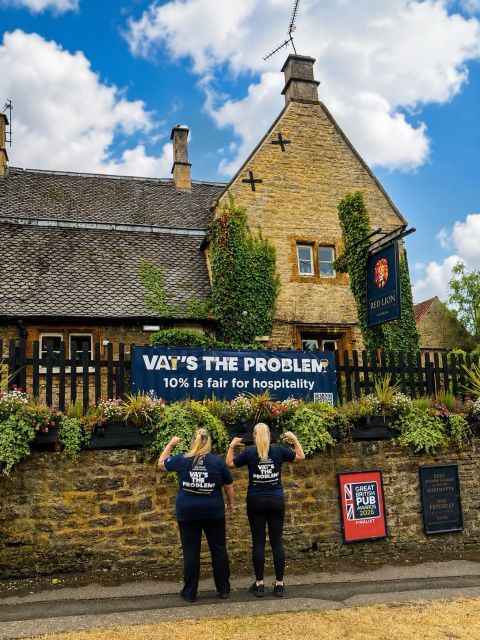
Because we live the problem every single day. This isn’t a campaign we’re supporting quietly from the sidelines. We’ve put VAT’S THE PROBLEM across our social media, our pubs and even on the backs of our team’s uniforms because we genuinely believe the tax burden is one of the biggest issues facing hospitality. We support the campaign’s call for a permanent 10% VAT rate for hospitality.
We’re not asking for a handout. We’re asking for the opportunity to operate sustainable and profitable businesses. If an independent pub makes more profit, that money doesn’t simply disappear into somebody’s pocket. We refurbish buildings, improve kitchens, employ people, train young chefs, buy equipment, improve gardens, support British producers and spend money with dozens of other businesses. Give hospitality some breathing space and I believe you’ll see that money reinvested throughout the economy.
What reaction have customers at your pubs had to the campaign? Do you think there is enough consumer knowledge about the margins pubs are tackling?
The majority of our customers have been incredibly supportive, but some of the comments have demonstrated exactly why we need to explain the economics of hospitality better. One comment in particular stuck with me. Someone said: “Pubs are dinosaurs – they’re a thing of the past.” I completely disagree. But I would say this: if the taxation and cost pressures facing hospitality don’t change, the only similarity between pubs and dinosaurs could eventually be that pubs become extinct too. And what a tragedy that would be.
We wouldn’t simply lose somewhere to have a pint or eat Sunday lunch. We’d lose wonderful community hubs, local jobs, places where people meet and socialise, customers for local suppliers and businesses that do an enormous amount for charities, sports clubs and community organisations. We are seeing pubs, restaurants and cafés closing because operators simply cannot make the numbers work. Businesses are being hit from every direction – high input costs, huge employment costs, energy, rates and taxation.
At Greedy Gordon’s, employment costs alone have risen by around 45% since Covid and can now represent up to 40% of our ex-VAT turnover. You cannot keep absorbing increases of that magnitude, but you cannot simply keep passing them onto customers either. That’s why I believe we need change, and we need it now. I don’t blame customers for not understanding the margins involved. I actually think it is our responsibility as an industry to explain them better. People see £25 going through the till for a meal. They don’t necessarily see everything sitting behind that £25. Busy doesn’t mean profitable. Turnover doesn’t mean profit.
The #VATsTheProblem campaign therefore needs to be about education as much as campaigning.
What was your reaction to the announcement that business rates would be reduced for pubs, clubs and some music venues?
Any reduction in the cost of operating a pub is welcome, and I’m pleased that the pressure facing pubs is being recognised. However, you have to look at what is actually happening to individual businesses to understand why operators are saying much more needs to change.
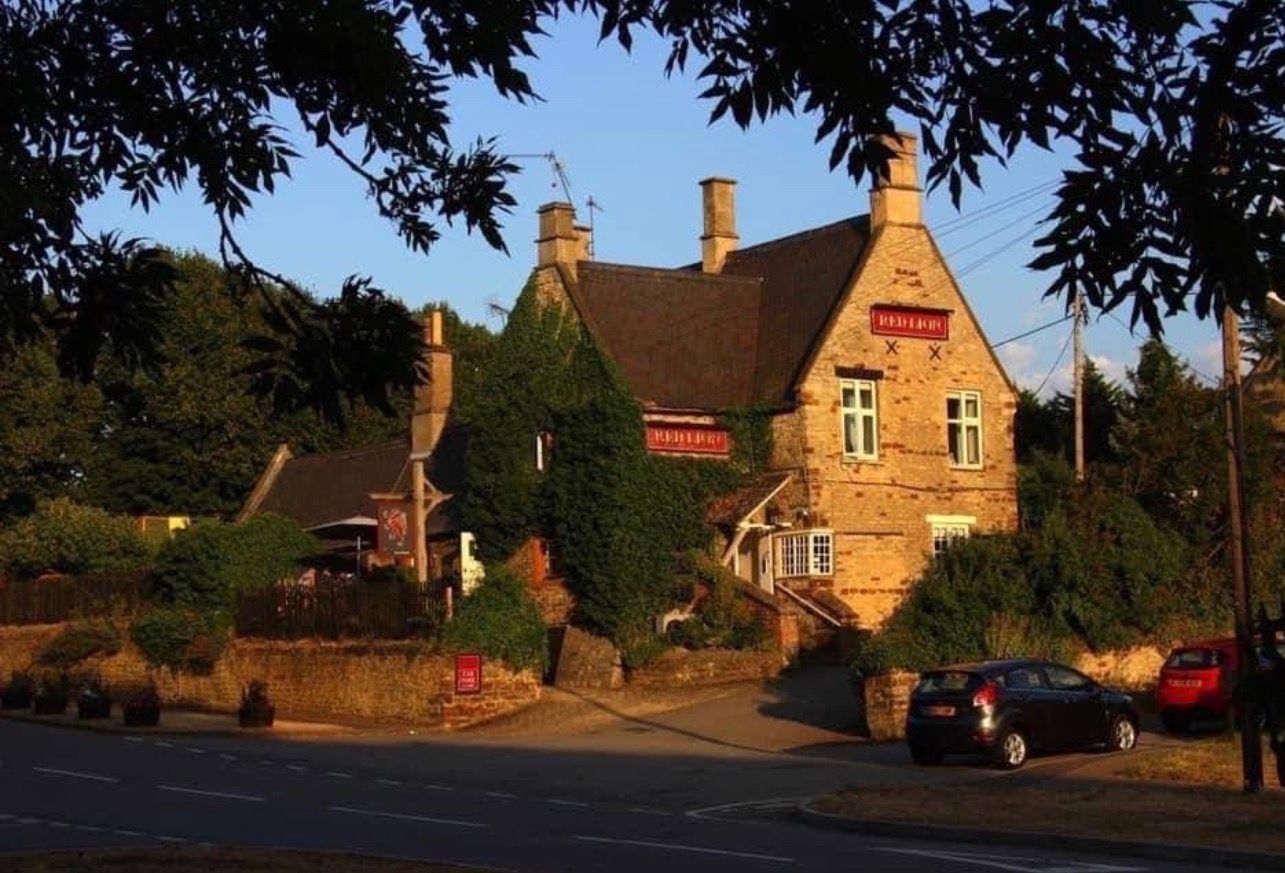
The Red Lion in Cranford is a perfect example. Its rateable value was previously £10,000, when the pub qualified for rural rate relief and effectively paid no business rates. That increased to £27,500, creating a significant new cost for the business. Its rateable value has now increased again to £52,000. So we’re talking about the rateable value of one village pub going from £10,000 to £52,000 in just four years – more than a five-fold increase.
That is the reality facing pubs like ours. So while any reduction in the eventual business-rates bill is welcome, it has to be viewed against the scale and speed of the increases we have already been expected to absorb. And business rates are only one part of the picture. At times, our total employment costs can represent up to 40% of our turnover excluding VAT, and our employment costs have risen by approximately 45% since Covid. Hospitality is incredibly labour intensive. We need chefs, kitchen porters, bar teams, waiting staff, cleaners, managers and all the people behind the scenes who make a good pub work. You cannot automate hospitality. When employment alone can consume up to 40% of your ex-VAT turnover before you’ve bought the food, poured a pint, switched the lights on or paid the rent, rates and all the other overheads, you can see how quickly the margin disappears.
That’s why I keep coming back to the same point: Being busy doesn’t necessarily mean being profitable. Of course we welcome help with business rates, but we need to look at the overall tax and cost burden on hospitality, rather than addressing one individual cost in isolation. We need an environment where a successful, busy pub is actually able to make a sustainable profit, reinvest in its people and buildings, support its community and have the confidence to plan for the future.
That is why we need change – and we need it now.
You have recently launched the Greedy Gordon’s app and Gold Card across your venues. What does the membership offer, and what prompted you to invest in a group-wide loyalty programme now?
Our customers are everything to us, and the app is about recognising that loyalty properly. The Greedy Gordon’s app allows customers to collect points when they spend with us, while our Local Legends Gold Card gives members additional benefits, including discounts across our venues and shop. But I didn’t want another loyalty scheme that simply throws discounts at people. We want our customers to feel part of Greedy Gordon’s.
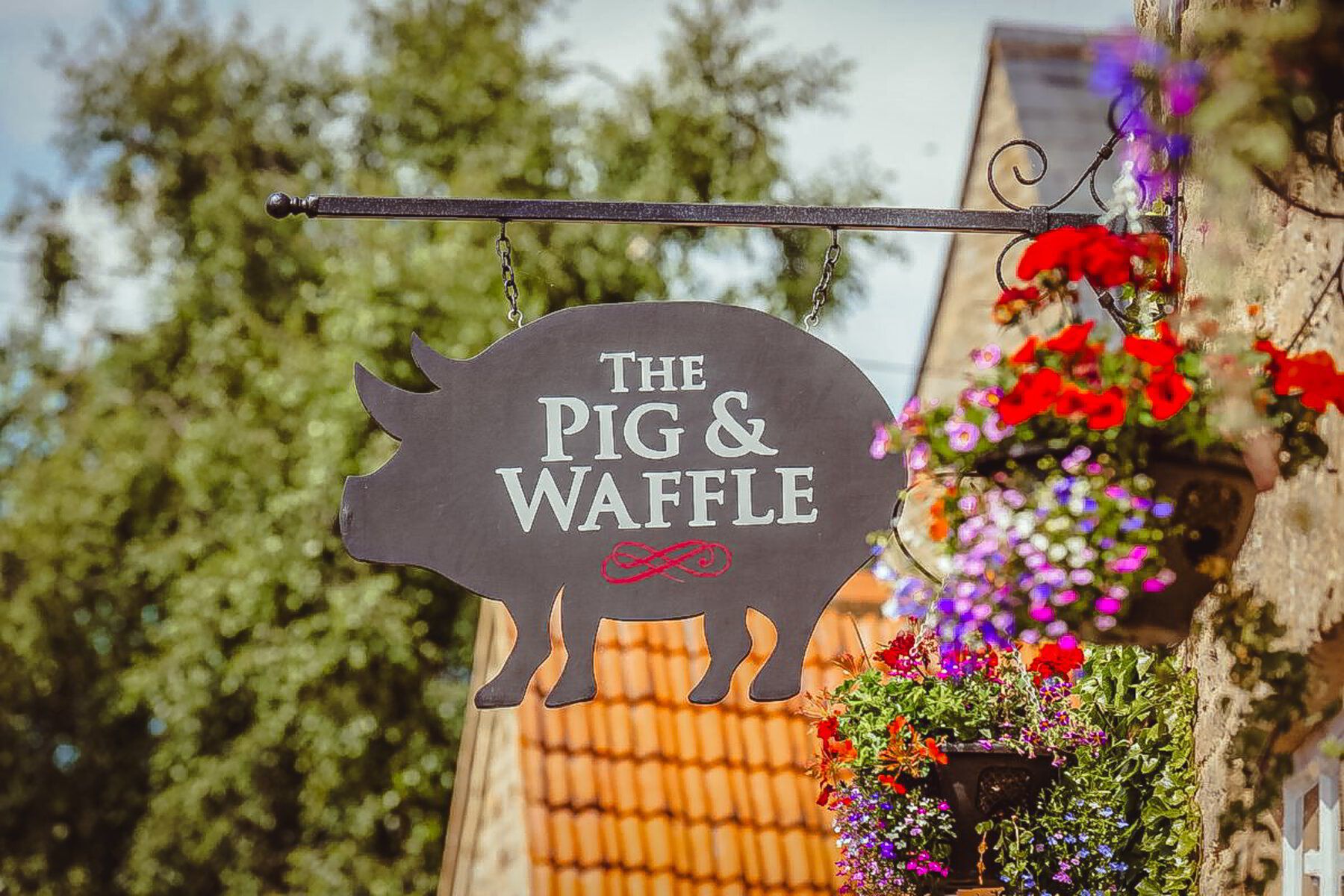
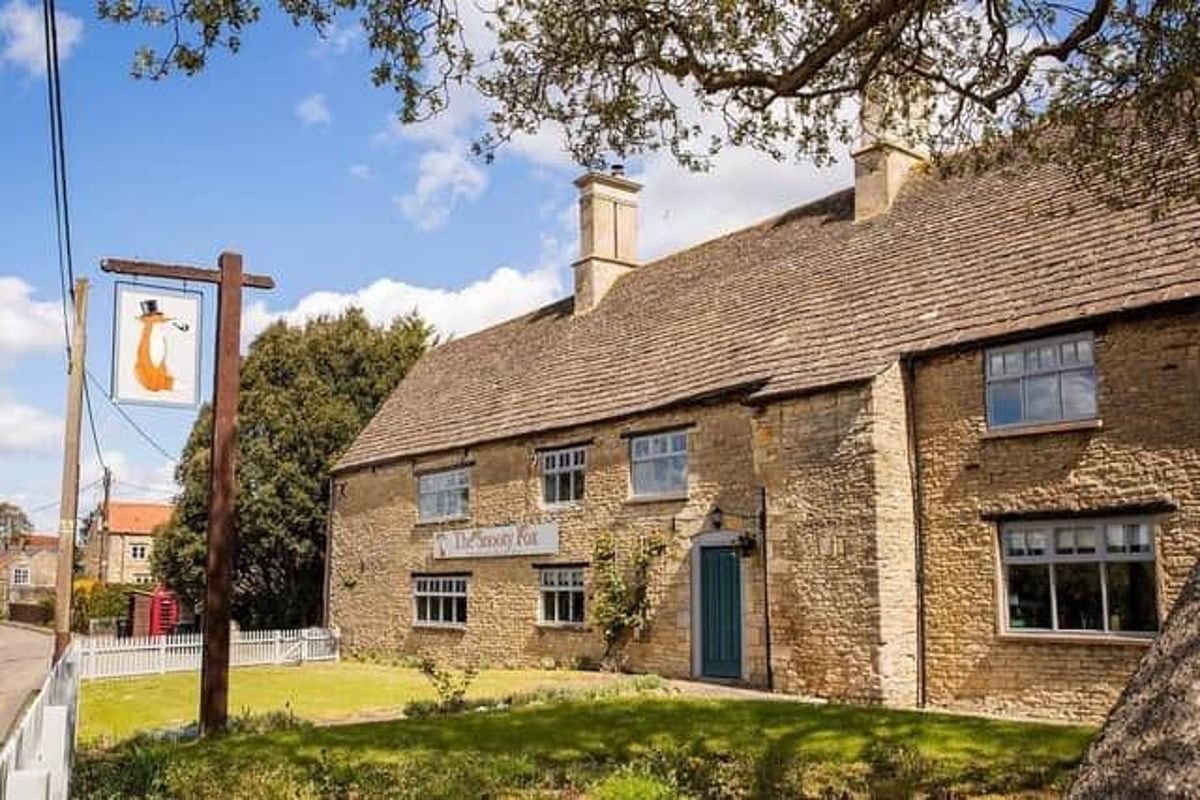
We’re an independent group and each of our venues has its own personality, but the app gives us a way of bringing them together. Someone who regularly visits the Snooty Fox can discover the Red Lion or Pig & Waffle, and vice versa. In the current climate, customer loyalty is incredibly important. We want to recognise and reward the people who choose to spend their money with independent businesses like ours again and again.
Beyond rewarding regular customers, what do you hope the app will help you understand about how, when and why people visit your pubs?
Data is becoming incredibly valuable to independent operators.
Traditionally, pubs have been brilliant at knowing their customers personally. What we haven’t necessarily been as good at is understanding their behaviour across an entire group.
We want to understand how frequently people visit, which venues they use, when they visit and which events and offers genuinely encourage them through the doors.
That means we can make decisions based on actual customer behaviour rather than guessing. It also gives us a direct relationship with our customers. If we’re doing something at the Red Lion that we think a particular group of customers will love, we can tell them about it. The same applies to the Snooty Fox and Pig & Waffle.
For an independent operator, having that direct relationship with your customers is increasingly important.
How are customer expectations changing for pubs, and how important is having a food offering?
Customer expectations are incredibly high. People don’t just compare one pub with another pub anymore. They compare us with restaurants, hotels and everywhere else they choose to spend their leisure money. They expect great food, great service, comfortable surroundings, clean toilets, beautiful gardens, quality drinks and increasingly some form of experience.
Food is massively important to our business. But I also think we have to remember that a pub still needs to be a pub. The best pubs can serve fantastic food while still being somewhere you can walk in for a pint, meet friends, watch sport, join a quiz, bring your family or simply sit at the bar and talk to somebody. We shouldn’t lose that. A great pub isn’t simply a restaurant with a bar attached. It’s a community hub.
Looking ahead, what do you see as the biggest opportunities for independent pub groups, and what needs to change for businesses like Greedy Gordon’s to invest and grow with confidence?
I think independent operators have an enormous opportunity because we can move quickly, create individual concepts and genuinely understand the communities we operate in.
We don’t want every Greedy Gordon’s venue to look the same. The Snooty Fox, Red Lion and Pig & Waffle all have their own identities and customers. That’s part of our strength. We can experiment, create events, change menus, introduce new experiences and react quickly to what customers want. But investment requires confidence. You cannot continually invest significant amounts into buildings, kitchens, gardens, technology and people without knowing whether there is going to be sufficient margin at the end of it. We need an environment that encourages successful operators to invest rather than simply survive. Give hospitality the breathing space to make a sensible profit and I genuinely believe you will see enormous investment going back into pubs, people, suppliers and communities.
What makes you feel positive about the future of the UK pub sector?
Our customers, our teams and our communities. People still want pubs. They want Sunday lunch with their family. They want to meet friends for a drink. They want birthdays, celebrations, quiz nights, great food, a pint at the bar and somewhere they feel they belong.
I also look at the young people coming into our business and the talent and enthusiasm they have. That gives me enormous confidence. Someone may have called pubs dinosaurs, but I couldn’t disagree more. The pub isn’t a dinosaur. Good pubs are evolving.
They’re places to eat and drink, but they’re also meeting places, employers, training grounds, supporters of charities and community hubs. I genuinely believe British hospitality has a fantastic future. But we have to create an environment where a busy, well-run pub can also be a profitable pub. Because without profit there is no reinvestment. Without reinvestment there is no growth. And ultimately, without sustainable businesses, there are no pubs. And then, sadly, that customer’s dinosaur comparison could become true.
We need change, and we need it now.


