)
)
)
Industry reacts to the Budget: Pubs warn of closures, job losses and rising costs
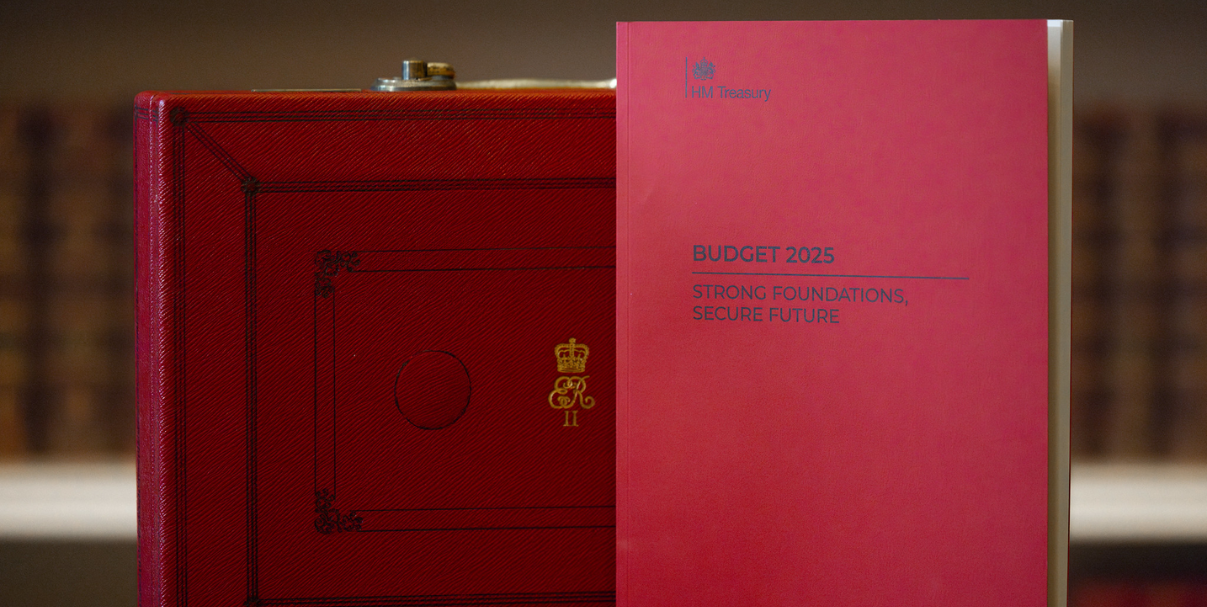
The Chancellor’s Budget has sparked widespread concern across the pub, hospitality and drinks sectors, with operators, trade bodies and industry leaders warning that the measures announced will increase costs, squeeze margins and accelerate closures at a time when the sector is already under unprecedented pressure.
Many in the industry say the Budget represents a “missed opportunity” to deliver meaningful reform, instead deepening the financial challenges pubs, bars, restaurants and producers face.
“A tragic waste of a golden opportunity” - trade bodies respond
Emma McClarkin OBE, CEO of the British Beer & Pub Association, described the Budget as a “tragic waste of a golden opportunity to back a sector we all know and love.”
While the Chancellor confirmed a new lower business rates multiplier, McClarkin said this does not offset the combination of rising wage costs, duty increases and escalating bills.
“Bills for most pubs will go up overall… and that’s not to mention what beer duty increases and higher wage costs will do to the cost of doing business.”
The British Institute of Innkeeping (BII) was similarly blunt. CEO Steve Alton warned that many independent pubs will not survive the changes scheduled for April.
“Words cannot express how devastating this budget is… Many of our members will simply not be able to sustain their businesses.”
The BII estimates that higher business rates, wage rises and duty increases will make it significantly harder for pubs to remain profitable — particularly community-led venues already operating on tight margins.
UKHospitality: “Wage rises and huge rateable value increases are wiping out the 5p discount”
UKHospitality said the Budget leaves the sector facing “monumental increases” in costs, warning that many businesses are now discovering rateable value changes that far outweigh any relief offered.
New rateable values published after the Budget show:
-
76% increase for accommodation businesses
-
30% increase for pubs
-
14% increase for restaurants and cafés
Kate Nicholls, Chair of UKHospitality, said the measures risk creating a “two-tier economy” where high-street businesses shoulder a disproportionate tax burden.
“A 5p business rates discount is simply not enough to offset these costs. Hospitality businesses are checking their wage bills and their rateable values, and their hearts are sinking at the eye-watering increases before them.”
She warned that additional payroll costs, holiday taxes and rising inflationary pressures will ultimately be passed on to consumers, keeping inflation higher for longer.
“The only way to cut the cost of living is to reduce the cost of doing business, and this Budget does the opposite.”
Operators warn of unsustainable pressures
On LinkedIn, operators shared their immediate reactions — many expressing frustration and fear about the future.
Mike Dove MBII, co-owner of The Tollemache Arms, criticised the Government for adding further pressure to already strained small businesses:
“You are systematically killing the hospitality industry piece by piece.”
Sacha Lord, Chair of the Night Time Industries Association, pointed to wage increases as a critical concern:
“An 8.5% rise for 18–20-year-olds will only result in cutting hours and job losses to help fund the extra burden.”
He described the Budget as falling “well short of recognising the importance of the sector,” warning of a “raft of closures” in the new year.
Robert Richardson, CEO of the Institute of Hospitality, called the Budget painful for a sector that has already endured a year of intense pressure.
“Today’s budget hurt. After a year of pain we feel our voices haven’t been listened to. I know what it’s like to be awake on a Thursday night, unsure that you can make payroll tomorrow.”
However, he urged operators to pause before reacting, emphasising the importance of unity and planning.
“Hurried judgements will not change anything. Let’s regroup, digest, and look at how we can navigate the months ahead with clarity, resilience, and a plan that protects the people and communities who rely on us.”
A sector losing its community foundations
Beyond the financial impact, many warned that closures threaten the social fabric of local communities. Pubs remain vital spaces for connection, support and local pride — and when they close, communities lose far more than a venue.
Steve Alton of the BII described this as the most troubling legacy of the Budget:
“The detail behind the headlines will put hundreds of community pubs at greater risk.”
Scottish whisky producers issue stark warning: “Conditions for growth are not being nurtured”
The Scotch Whisky Association (SWA) expressed deep frustration that duty had been increased for the third time in two years. The group had called for a freeze, highlighting that last year’s 3.65% rise led to a 7% drop in spirits revenue, costing the Treasury £150m.
The Office for Budget Responsibility has now downgraded alcohol revenue forecasts by an average of £1.7bn a year, citing weak revenue performance linked to a high tax burden.
Mark Kent, SWA Chief Executive, said: “The domestic tax burden has once again increased… putting huge additional pressure on a sector suffering job losses, stalled investment and business closures.”
He added that while the industry continues to contribute globally, government action at home is stifling growth:
“You cannot expect Scotch Whisky to keep delivering growth if the conditions for that growth are not nurtured.”
The Wine and Spirit Trade Association also condemned the Budget, describing the latest rise in alcohol duty as “shortsighted” and warning it will deepen what the sector calls a tax-induced “doom loop”. With RPI set at 3.66%, duty will increase by 11p on a bottle of Prosecco, 13p on red wine and 38p on gin from February, taking the cumulative rise in wine and spirit prices to almost £1 a bottle within a year when combined with packaging taxes, VAT increases and previous duty hikes.
Chief Executive Miles Beale said businesses are “still reeling” from earlier tax changes and now face further pressure alongside higher National Insurance, minimum wage increases and rising business rates. Despite clear evidence that repeated duty rises have driven sales down since 2023, slashing Treasury receipts by hundreds of millions, the Government has persisted with its approach.
Retailers echoed the warning, with Majestic Wine Group CEO John Colley calling the decision “bitterly disappointing” and urging the Government to finally listen to industry bodies to avoid further harming investment and growth.
A clear message: The sector needs meaningful reform — not rising costs
Across pubs, bars, restaurants and producers, the message is consistent: the Budget increases pressure on a sector already struggling, with rising costs outpacing revenues.
Many fear the consequences will be felt in job losses, reduced investment and widespread closures, with young people hit hardest.
For now, the sector is calling on government to listen, reconsider and act before long-term damage becomes irreversible.
Without meaningful support, the survival of thousands of pubs, hospitality businesses and drinks producers - and the communities they anchor - is at risk.
)
)
)
)
)
)
)
)
)
)
)
)
)
)
)
)
)
)
)
)
)
)
)