)
)
)
The future of cask ale: Can a new generation revive the category?

The Pub Show discusses challenges faced by the cask ale category, and how an emphasis on authenticity, provenance and well-informed pub teams could endear it to a whole new generation of drinkers.
For a category with a rich history and an identity defined by tradition, cask ale arguably needs fresh messaging to appeal to a new generation of drinkers. The ingredients are all there: provenance, local production, craftsmanship and lower ABVs that could appeal to those seeking moderation. However, the category continues to suffer from a bit of a PR problem.
CAMRA has spent more than 50 years campaigning for real ale, while the annual Cask Ale Week continues to encourage pubs, breweries and drinkers to celebrate Britain’s distinctive national beer style. This year’s campaign, taking place from 17 to 27 September, arrives at a pivotal moment for the category.
Cask has spent years contending with falling volumes, brewery and pub closures, inconsistent quality and an image problem among younger consumers. Yet the picture in 2026 is more complicated than one of managed decline. Contemporary styles, local provenance and renewed appreciation for the traditional pub are giving drinkers fresh reasons to approach the hand-pull.
Research commissioned by SIBA and conducted by YouGov in February 2025 found that 25% of beer drinkers aged 18 to 24 regularly ordered cask ale, an increase of more than 50% on the previous year. It is an encouraging finding, if quite surprising to me in my London bubble, but one that should be viewed alongside the markedly different experiences of individual pubs.
Phillip Montgomery, Business Unit Director, GB and Ireland Beverage Alcohol – On Trade at CGA by NIQ, has also seen signs of changing attitudes.
“For the past five years, really since the end of the Covid lockdown, cask ale has felt a bit like a beer style that was being left behind, especially by younger drinkers,” he says. “However, in the same way that stout has seen a revival in fortunes, we’re also starting to see an upturn in interest in cask ale amongst younger drinkers, and it’s often traditional brands and well-established regional favourites that bring them into the cask category.”
At the Seven Stars in Falmouth, Owner Amy Bennetts believes the pub’s distinctive way of serving cask is helping to attract a new generation.
“I’m in a unique position as I serve straight from the barrel on gravity, the way God intended, and being a generational pub, we find those following in their parents’ and grandparents’ footsteps.
“For us, younger generations are on the rise because it’s quirky and unique to them.
“Cask ales are also increasing in flavour and styles. The days of traditional bitters and it being seen as an ‘old man’s beer’ are changing, which is definitely making cask ale drinking more popular for us.”
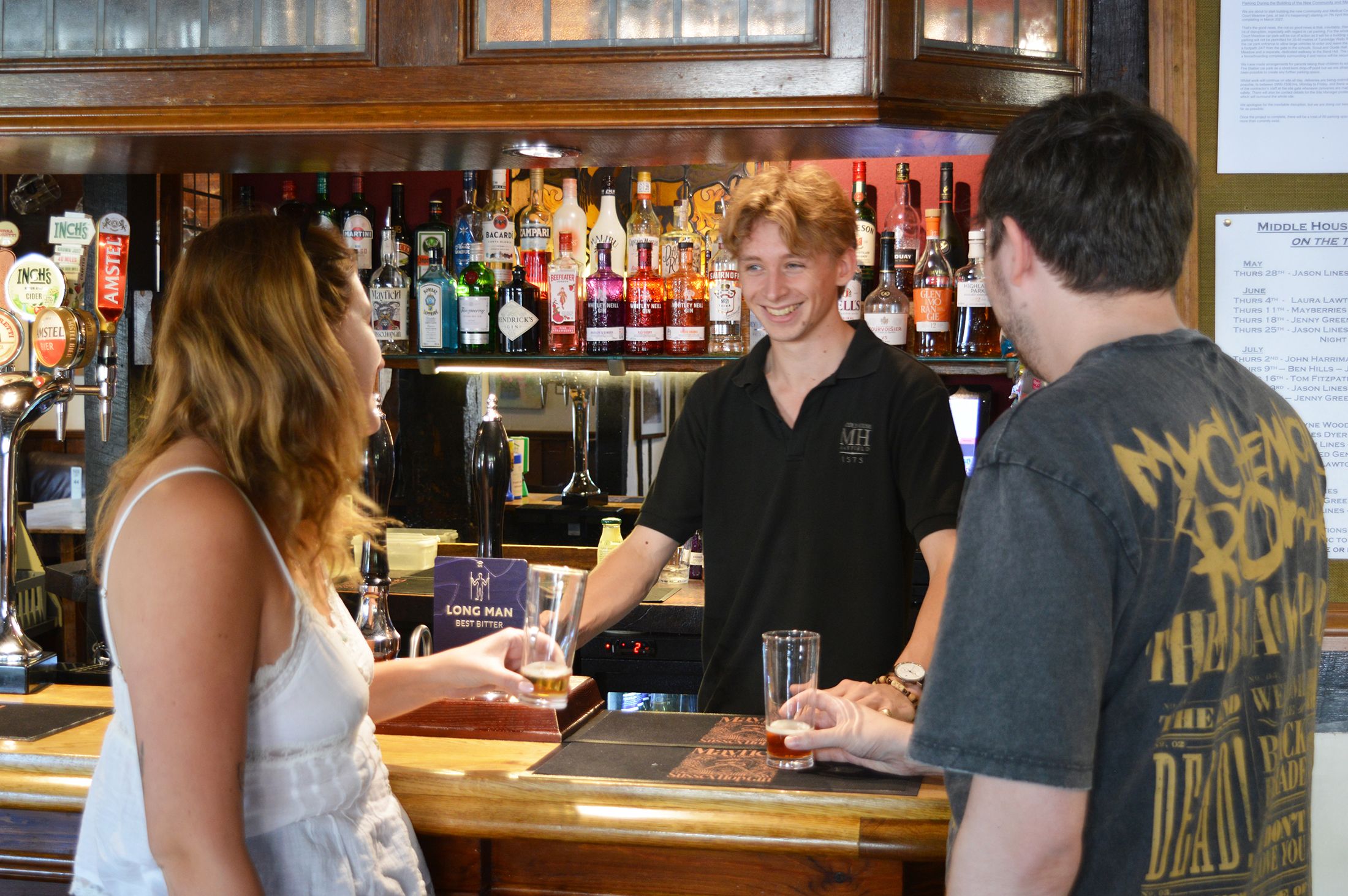
Winning over the ‘repertoire drinker’
While it is fantastic that younger generations are trying cask ales out of curiosity, it is another challenge entirely to establish a dedicated new audience of genuine cask ale drinkers.
Tom McNeeney, Manager of The Oxford in Rochdale, points to the rise of the ‘repertoire drinker’: someone whose choices change with the season, setting and occasion.
“I think one thing some pubs are still struggling to get to grips with is the rise in the last few years of the ‘repertoire drinker’,” he explains. “Thinking historically, pubgoers were creatures of habit, drinking the same thing like clockwork. Now you see great swathes of drinkers shifting from drink to drink by season, mood, reputation or location. The same girls drinking Aperols in summer are having a Guinness in winter. It’s just a matter of capturing that for cask, but with so many small brands competing for space in the market, it’s easier said than done.”
Paul Nunny, Director of Cask Marque, similarly believes that variety could be one of the category’s strongest selling points.
“What young people are looking for is variety, which is what cask ale can deliver,” he says. “They don’t necessarily want to drink the same beer twice in an evening, so they might start with a hoppy pale ale and then move on to a malty dark beer. The resurgence in popularity of Guinness amongst the younger demographic shows that more complex flavours and traditional styles aren’t an obstacle to attracting new drinkers, and that’s something cask brewers can capitalise on.”
This may be the key opportunity for cask: it does not need to displace lager, stout or cocktails entirely. It needs to earn a place within a wider year-round repertoire, in the same way that Guinness has managed to do to stunning effect.
Independent brewers are helping it to do so through contemporary branding and styles already familiar to craft beer drinkers.
Charlotte Foy, Licensee of The Old Plough and The White Horse in Birstall, says: “A lot of these new-style brewers have produced ales with more modern and quirky branding which stand out on the shelf or on the hand-pull label and encourage the customer to try, as it’s novel and fun. A good majority of our hand-pull ales are from smaller producers in less traditional styles.”
She adds: “We are seeing more customers giving it a try and, when they have tasted a cask beer, they are pleasantly surprised by the more complex flavour profile and the lack of filling fizz.”
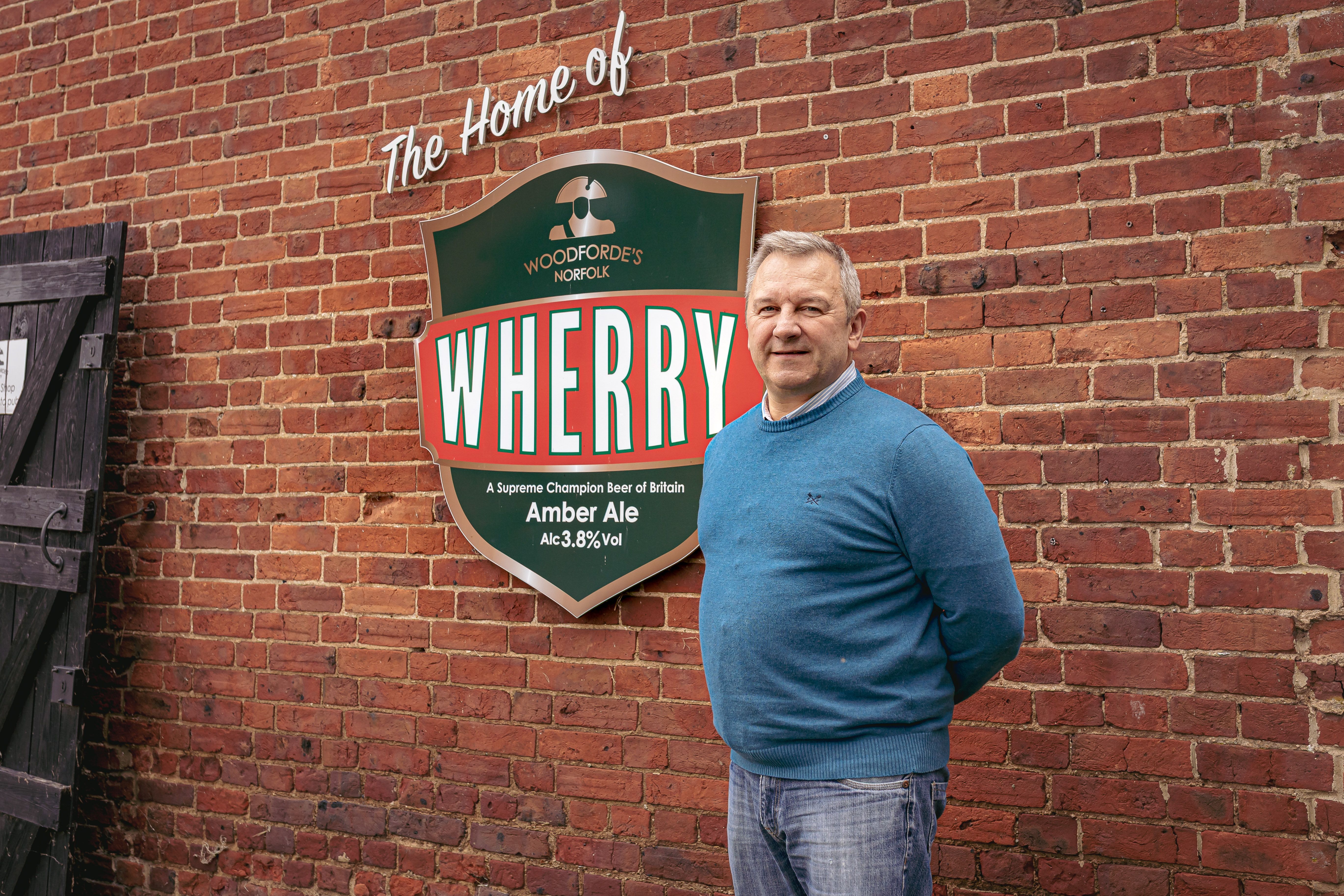
Woodforde’s, an independent brewery based in Norfolk, is seeing interest in both experimentation and familiarity. Its core range includes Wherry, its long-established amber ale, alongside a rotating selection of seasonal beers.
CEO Paul Sullivan says: “We’ve always enjoyed exploring and experimenting with new styles through our popular seasonals range, which has given us the opportunity to introduce the wonders of cask ale to a greater audience, including younger people.
“But regardless of the seasonals, it’s promising to see younger people enjoying our core cask products and loving the same beers their friends and family have enjoyed for decades.”
This appeal of established brands and family tradition is also being felt by Wiltshire-based brewer Wadworth.
Commercial Director Adam Russell says: “There’s definitely a trend amongst younger drinkers to look for cask ales with provenance and heritage. They know Wadworth 6X as a brand their parents, or maybe even their grandparents, drank, and they want to revive and continue that family tradition.”
Confidence remains the fault line
Cask’s greatest strength is that it is a living product, cared for and served by skilled pub teams. That is also its vulnerability.
“I think cask will always have an identity issue in younger circles, but that’s no new news,” says McNeeney. “And although it’s often cheaper on the bar, the worry of getting a ‘bad pint’ and the fear of the awkward interaction that can follow, to a generation already finding their social skills challenged by the traditional pub setting, can be enough to put them off a pint of cask entirely. You know where you stand with a standard keg lager.”
If someone is trying cask ale for what may be their first and only time, the quality of the beer becomes paramount. Every hand-pull therefore comes with a responsibility: sufficient throughput, rigorous cellar management and, in an ideal world, staff who can describe the beer and confidently offer a taste.
For pubs concerned about achieving the necessary throughput, smaller formats could provide part of the answer. Russell says Wadworth is having “considerable success” selling 6X to pubs in the smaller 36-pint pin size rather than the 72-pint firkin.
“This gives pubs the confidence they can sell the beer while it’s still in prime condition,” he explains.
Staff training must go beyond the technicalities of keeping and serving cask. Teams who understand the styles on the bar, can offer informed recommendations and make tastings feel welcoming rather than intimidating could play a major role in winning over occasional or ‘cask-curious’ drinkers.
Consumer Beth Dean, 34, from Parkstone in Dorset, says this approachable service is one of the reasons she enjoys visiting the Barking Cat Ale House.
“We have a great taproom near us, the Barking Cat Ale House, which regularly wins CAMRA awards,” she says. “What’s great is being able to try different beers and styles without feeling you have to be an expert on the beer or brewery. They’re happy to offer a taster so you can try the beer before you order a pint.
“During the long, hot summer we’ve had, I’ve preferred pale ales and cooler-served beers, but I’m hopeful there’ll be a few interesting darker beers on the bar by the time Cask Ale Week comes around.”
Independent pubs and breweries are particularly well placed to curate these experiences, using flights, meet-the-brewer events and guided tastings to help a new generation explore cask without expecting them to arrive with specialist knowledge. If the category wants younger customers to meet it halfway, it should give them the confidence and invitation to do so.
Anthony Hughes, Founder of Lincoln Green Brewing Company and Chair of SIBA, reduces the formula to three essentials.
“Success ultimately depends upon three things: great choice, absolute freshness and beer presented in the best possible condition. When those elements come together, cask offers an experience that no other drinks category can replicate.”
McNeeney says pubs are increasingly choosing between making cask part of their identity and maintaining a smaller, dependable range.
“If you have enough following to make that part of your identity, then you lean heavily into it. Otherwise, you cut your losses on beers that might not move and settle for a core rotation of reliable brews you know suit your site,” he comments.
Local, affordable and rooted in the pub
Cask also possesses advantages that feel particularly relevant in 2026. It can offer value at the bar, give pubs a point of difference and connect customers with breweries in their own communities.
At The Royal Dyche, Owner Justine Lorriman has seen little evidence of increased demand among younger customers, but local loyalty remains powerful.
“Cask ale has always been about supporting local,” she says. “Our customers really get behind a local brewery, and you don’t get more local than Reedley Hallows, which is located in the same town as us.”
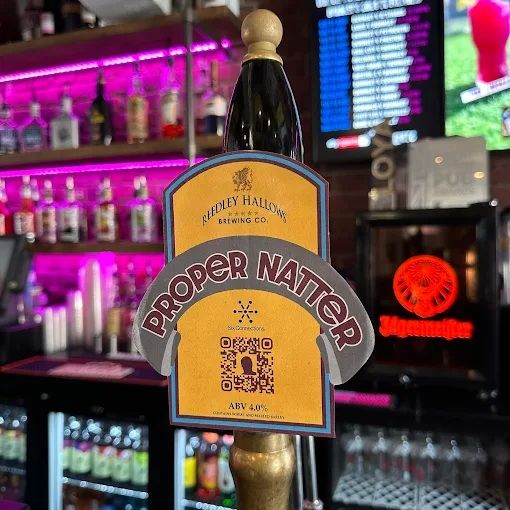
The pub keeps two established cask ales and adds themed releases, including a beer developed with Reedley Hallows and local mental health charity Six Connections. A QR code on its pump clip directs customers to support services.
Price can also lower the barrier to discovery. Cask is normally the cheapest pint at The Royal Dyche at £3, while the pub reduces it to £2 during Cask Ale Week and introduces a wider selection from Reedley Hallows.
“It’s a fantastic way for people to try new beers, and you’re not hit with a big cost if you don’t like it,” says Lorriman.
Another business that has emerged as a champion of cask ale is Wetherspoon, which often has a vast range of ales available at almost alarmingly low prices, mixing local microbreweries with national cask ale staples. It also releases quarterly tasting notes online and as part of its menus.
Curiosity must become sustainable demand
Cask Ale Week, from 17 to 27 September, will provide pubs and breweries with an opportunity to put the category in front of new drinkers through tastings, promotions and events. But discounts and themed activity can only open the door. Whether customers return will depend on the pint they receive and the experience surrounding it.
The future of cask cannot survive on nostalgia, and it will not be secured simply by adding brighter pump clips or producing more pale ales. It relies on viable pubs, skilled and informed teams, reliable throughput and routes to market that allow local and independent breweries to compete.
“The future of cask is so deeply entwined with the future of pubs and the success of them finding and retaining fantastic staff who are focused on keeping it well, educating our customers and supporting real ale brewers nationwide,” says McNeeney. “We keep cask relevant by reminding people what makes pubs unique, accepting some changes in drinking habits and maybe just a little moving with the times along the way.”
We might be coming to the end of cask ales being drunk as a regular pint like clockwork. But the future of the category could instead lie with customers who move freely between categories and recognise that, when choice, freshness and condition come together, the hand-pull offers something they cannot find anywhere other than the pub.
Cask ale is one of the few drinks that cannot truly be replicated outside the pub. At a time when consumers increasingly value distinctive experiences and authentic products, that could be its winning card.
Sullivan concludes: “Wind the clock back only two years and there were serious questions being raised about the future of cask ale. To now be in a position where we are seeing more people purchasing a pint of our national drink at the bar is a really positive sign. The industry as a whole is facing difficulties right now through VAT, beer duty and inflation, and that’s not unique to cask. It’s driving up costs at the bar at a time when everyone is feeling the pinch.
“What’s clear, though, is that people still want to enjoy a pint with their friends down the pub, and the best way to do that is to provide great-value options, which cask undoubtedly is.
“When money is tight, people want quality. That’s what you get with cask: a pint steeped in tradition by artisan brewers that you can’t replicate at home with a can of lager. Continuing to open the next generation’s horizons to the beauty of cask is crucial to its future.”
)
)
)
)
)
)
)
)
)
)
)
)
)
)
)
)
)
)
)
)
)
)
)