

Beyond the Pint: How British Pubs Are Evolving
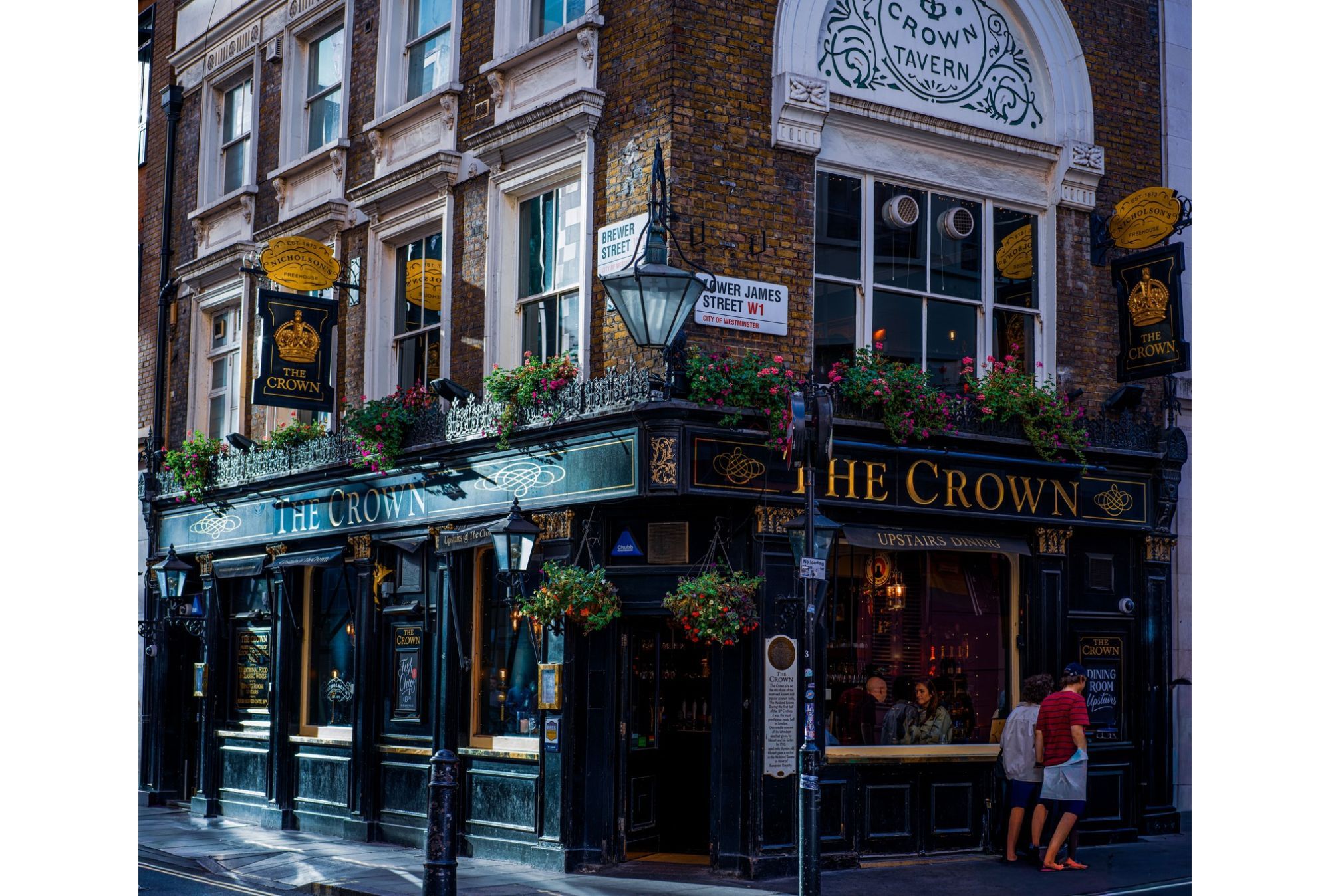
Pubs have been at the heart of our local communities and have woven themselves into the cultural tapestry of our nation’s history. Today, these establishments are taking on a new identity. As drinking habits evolve and hospitality businesses face increasing pressure to diversify, could Britain’s traditional pub be entering a new era? From beer tasting masterclasses, wellness workshops to coworking hubs and private events, pubs are finding new and inventive ways to utilise their spaces beyond the bar. What was once simply a place to enjoy a pint is becoming something far more varied, offering a glimpse into the future of Britain’s pub culture.
Throughout British history, alehouses, taverns and coaching inns have played an important role in everyday life, providing places for people to gather, socialise and connect across generations. Beyond the bar, pubs became spaces where communities exchanged news, celebrated occasions and conducted business, establishing themselves as important fixtures of everyday life. While their appearance and purpose have evolved over the centuries, their ability to bring people together had remained central to their identity. As pubs explore new ways to utilise their spaces, could they simply be rediscovering their original purpose?
While the pub's position within British culture remains significant, the industry is facing new challenges. Rising operating costs, changing consumer habits and increasing competition are encouraging operators to rethink how they use their premises. With Gen Z drinking less than previous generations but still seeking social experiences, pubs must adapt to changing expectations. Rather than allowing private rooms and quieter daytime spaces to remain underused, pubs are exploring alternative ways to generate revenue, increase footfall and appeal to a broader customer base. One way in which pubs are achieving this is through Pints of Knowledge.
Founded by Callum Campbell in 2025, Pints of Knowledge turns pubs and breweries into informal lecture halls. Discussing a wide array of topics, from history, science, philosophy to pop culture, tech and quirky deep dives, they bring in real academics, researchers and industry experts to share short, engaging talks over a pint. Each of these talks features a short presentation followed by a Q&A session. Originally launching in London, these talks have expanded to other major cities in the country including Edinburgh, Bristol and Manchester.
Beyond making education more accessible, Pints of Knowledge encourages social interaction, bringing together people with shared interests who might not otherwise cross paths. These events also offer pubs an opportunity to attract entirely new audiences.
As Rosa Gordon, Head of Events and Head of London at Pints of Knowledge, explains, "Many attendees are visiting the pub for the first time, not because they were looking for somewhere to drink, but because they're interested in a subject. This introduces venues to customers who might never have discovered them otherwise." This presents significant commercial opportunities, particularly during quieter trading periods.
"For pubs, the commercial opportunity is vast. Attendees often arrive early for a drink, stay afterwards to discuss what they've learnt, and may order food while they're there. The venue benefits from additional food and beverage revenue without necessarily having to create or market the event itself," the organisation adds.
Importantly, the benefits extend beyond the event itself. Visitors who discover a pub through an educational talk may return with friends, transforming a one-off experience into repeat custom. For independent operators, these events offer an opportunity to maximise underused spaces, diversify revenue and strengthen their connections with local communities.
However, the success of an event isn't always measured by its immediate financial return. Chris Whirledge, a pub consultant, recalled a conversation with an operator who deliberately separated groups of friends at function room events, encouraging guests to interact with strangers. The intention was to create new connections and give customers the confidence to return to the pub independently, knowing they might recognise a familiar face.
Whirledge explains, "Not all of these events necessarily made money in their own right, but they strengthened the pub's position within the community and, importantly, generated longer-term trade."
Elsewhere, pubs are finding creative new purposes for their rooms and increase revenue. The Lion and Unicorn in Kentish Town has embraced the rise of remote working, offering a daytime coworking space with food and unlimited tea and coffee. Meanwhile, The Grapes in Bath hosts regular life-drawing classes and community gatherings in its historic Jacobean living room.
As the hospitality industry continues to evolve, the future of the British pub may depend on its ability to adapt to changing consumer habits and expectations. By embracing new experiences and making better use of their spaces, pubs can unlock additional revenue streams, attract new audiences and encourage repeat visits. However, diversification isn't simply about increasing profitability; it's also about preserving the social connections and sense of community that have defined these establishments for generations. Perhaps the future of British pubs lies not in reinventing their identity, but in finding new ways to remain at the heart of everyday life.
Join us next year at Excel London between 5th - 7th April and subscribe to our newsletter to receive the latest news and insights.