
Autumn Budget 2026: Five key talking points for publicans
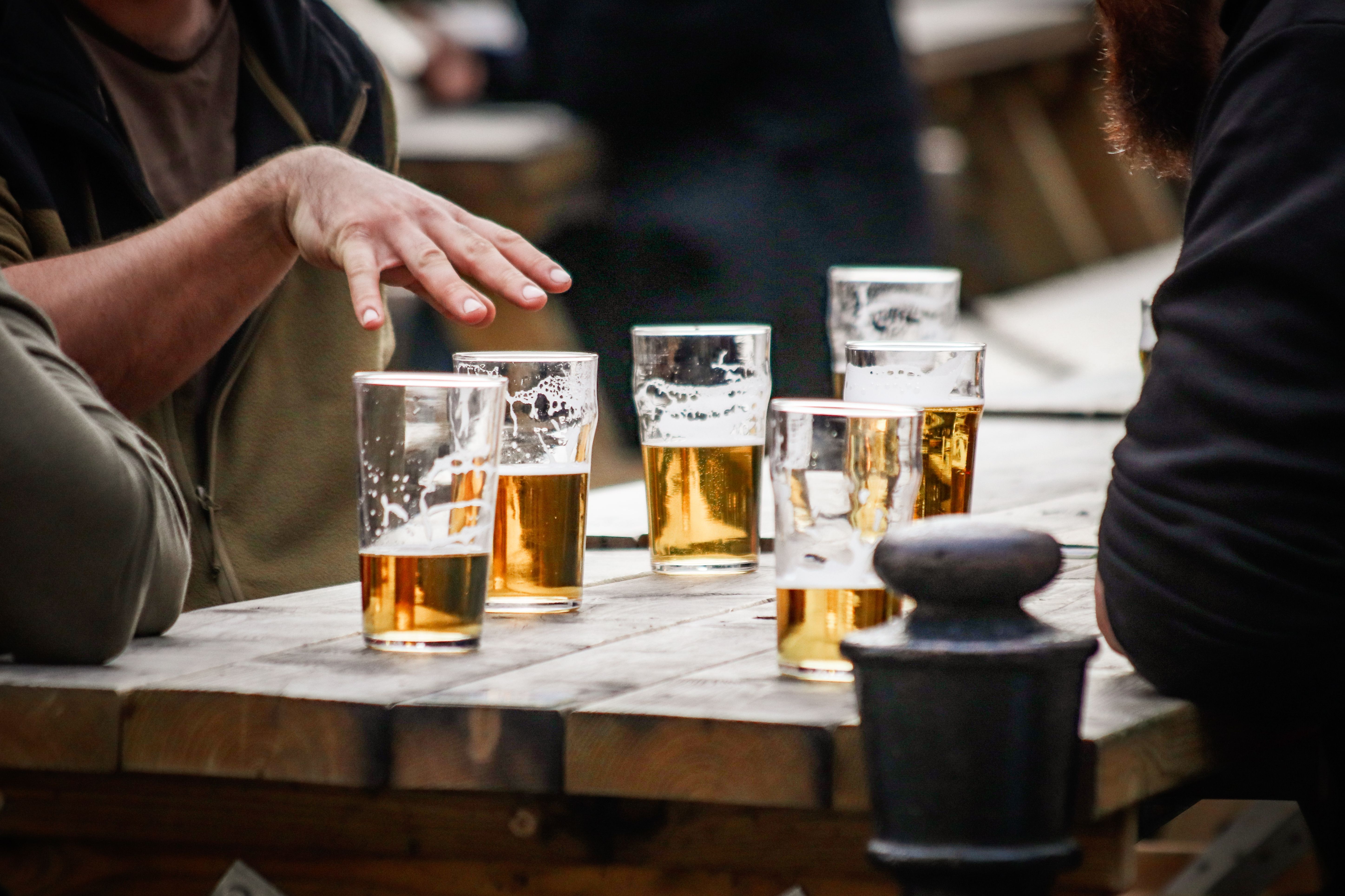
Business rates support, higher alcohol duty and proposals to give tied tenants greater choice over their beer range have put pubs firmly in the spotlight following the Autumn Budget.
For publicans planning for 2027, the announcements offer a mixture of financial relief, further cost pressures and potential opportunities. Industry responses reflect that balance, with trade bodies welcoming targeted support while questioning whether it goes far enough to protect profitability.
Here are five key talking points for the pub sector.
1. Business rates support offers some breathing space
Business rates relief for qualifying pubs in England will increase from 15% to 35% from 1 April 2027. This is an additional 20 percentage points of relief, with the government putting the combined support at an average of more than £3,000 per pub next year.
Higher Small Business Rates Relief thresholds are also expected to take an additional 3,500 pubs out of business rates altogether. Qualifying retail, hospitality and leisure properties will receive full relief up to a rateable value of £18,000, with tapered relief up to £21,000.
Alongside this, a real-terms freeze will apply to qualifying bills in 2027–28 and 2028–29. Bills can still rise with inflation, and individual savings will depend on eligibility and how the measures interact.
Emma McClarkin, CEO of the British Beer and Pub Association, described the rates announcements as “a very welcome step in supporting pubs”.
For operators, the next step is to establish what the package means for their own property before building anticipated savings into next year’s budget.
2. Higher alcohol duty puts drinks margins under pressure
Alcohol duty will rise in line with RPI inflation from 1 February 2027, creating another cost consideration for publicans and their suppliers. The effect on purchasing prices will vary across products and supply arrangements.
McClarkin warned that a rise in beer duty would “undoubtedly push up the price of a pint”, highlighting the tension between protecting margins and keeping a visit to the local affordable.
However, the Budget also makes Small Producer Relief more generous, including improved support for qualifying lower-strength products. This could help independent breweries invest and develop their ranges, although producer relief does not automatically translate into lower wholesale prices for pubs.
Andy Slee, Chief Executive of the Society of Independent Brewers and Associates (SIBA), welcomed the changes, saying the additional support would help small breweries compete and respond to changing tastes.
3. Guest beer proposals could broaden choice at the bar
The government intends to legislate for a Guest Beer provision within the Pubs Code in England and Wales, giving covered tied tenants greater flexibility over the beers they stock. A commencement date has not yet been specified.
For eligible publicans, this could create opportunities to introduce more local beers, respond to customer requests and strengthen relationships with independent breweries.
SIBA has strongly welcomed the proposal. Slee said access to local pubs remains a barrier to growth for independent brewers, despite demand among drinkers for locally produced beer.
The practical impact will depend on the final rules, including which products and arrangements qualify. Publicans considering changes to their range will need to follow the legislation as it develops.
4. Wage increases keep profitability at the centre of the debate
From 1 April 2027, the National Living Wage for workers aged 21 and over will rise by 3.9% to £13.21 an hour. Minimum rates will also increase to £11.27 for 18 to 20-year-olds and £8.31 for under-18s and eligible apprentices.
While higher wages support employees, they also add to operating costs for labour-intensive businesses.
Steve Alton, CEO of the British Institute of Innkeeping (BII), said the increase would mean an average of £1,000 more for every full-time member of staff from April 2027. He also reported that only one in four pubs was making a profit in 2026.
“This Government has recognised the vital contribution pubs make in every community, but this budget does little to reduce the cumulative tax burden holding them back,” he said.
For publicans, rates relief will therefore need to be assessed alongside payroll, purchasing costs and the investment required to maintain service standards.
5. Changes beyond the bar deserve attention
Machine income and outdoor trading are also areas to watch.
From April 2027, Machine Games Duty will increase from 20% to 25% for games with stakes over £1 or prizes over £100. This is not a blanket increase covering every pub machine.
A further change, planned for April 2028 and subject to consultation on implementation, would move liability to machine suppliers where supplier-owned machines operate under profit-sharing arrangements. Publicans with these agreements should monitor how suppliers reflect the change in their contracts.
Proposed outdoor-space licensing trials could also create opportunities for some pubs, depending on future powers and local implementation. Community ownership support may offer another route to protecting pubs at risk of closure, although the details will determine how widely it can help.
These developments give operators several reasons to stay engaged beyond the headline tax announcements, particularly where changes could affect an additional income stream or future investment.
BII Ambassadors have also given their reactions to today’s Budget:
Miranda Richardson, The Squirrells, Duston said:
“Once again, I’m left asking what this Budget actually does for independent operators like me. I want to pay my staff well, reward my managers properly and continue investing in my pub, but every additional cost has a knock-on effect.
“We cannot keep expecting small businesses to absorb these pressures indefinitely. Pubs are employers, community hubs and contributors to the local economy, but we need more than warm words about their importance. We need a Government that makes it financially viable for us to thrive, not simply survive.”
Mark Wrigley, Atlas Bar, Manchester said:
“This budget was a missed opportunity by Andy Burnham to show some real intent to ease the burden that the Labour party have imposed on the Hospitality sector. He has failed to grasp the clear messages of what is required to unleash our sector’s ability to employ more young people.
“Instead, we are in a state of stasis, unable to move forward, invest and grow. We will continue to hold the line and look to contract to save cash, rather than be bold and seek to grow. Disappointing.”
Eamonn England and Arina Piskunova, The Windsor Castle, East Finchley said:
“The VAT issue remains very much the same, employment costs continue to rise, and although we welcome the pledges on business rates and an option for some tied tenants to go free of tie on one beer, the bigger picture is unclear.”
Justine Bedford, The Royal Dyche, Burnley said:
“Really disappointed. I was genuinely excited when Andy Burnham took over from Keir Starmer. I felt he had a good understanding of what our industry needs and a genuine desire to support our businesses. Pubs are at the heart of our communities. They create places where people connect, where friendships are built and where local events can thrive. They bring people together and play such a vital role in keeping our communities alive.
“The government needs stop taking our industry for granted. It’s time to listen to the people on the frontline and deliver practical support that protects jobs, helps strengthen our local communities and gives our pubs a fair chance to survive. How many more pubs need to close before they listen?”
The commercial challenges and opportunities facing publicans will continue to shape conversations at The Pub Show, part of Food, Drink & Hospitality Week, returning to Excel London on 5–7 April 2027.


